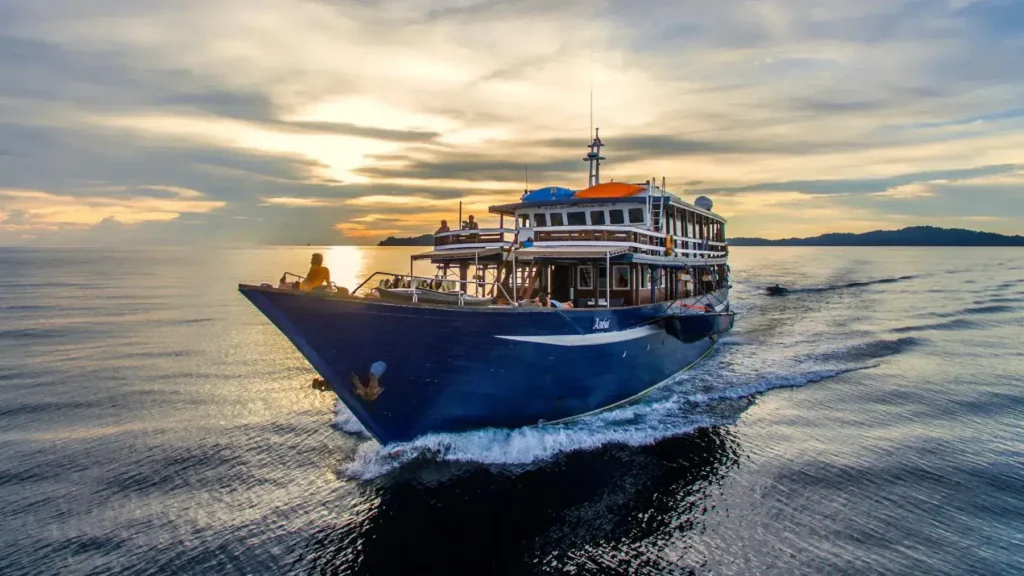

A dive cruise is a great way to combine underwater exploration with travel. It lets divers visit several dive sites while enjoying comfortable accommodations that move from place to place. Whether you have years of experience or are new to diving, knowing what to expect from a dive cruise can help you choose the right trip for your interests and goals.
What Is a Dive Cruise An Overview
A dive cruise is a trip in which divers stay aboard a boat that serves as both their transport and home as they visit various underwater sites. Unlike land-based diving holidays, dive cruises let you reach remote spots that are otherwise hard to get to. The main draw is that you can travel, sleep, and dive all in one experience.
Dive cruises can be short day trips or longer liveaboard journeys that last up to two weeks or more. They welcome divers of all skill levels and usually offer guided dives, equipment assistance, and expert briefings. A big benefit of a dive cruise is that you get more time diving and less time traveling between sites.
Types of Dive Cruises: Liveaboard vs Day Trips
Deciding between a liveaboard dive cruise and day trips depends on your diving experience, budget, and how you like to travel. Both let you explore amazing underwater places, but they work differently and offer different experiences.
Differences Between Liveaboard and Day Cruises
On a liveaboard cruise, you stay on the boat for several days as it travels between dive sites. This type of trip usually covers more remote and untouched locations, and includes overnight stays, meals, and other onboard comforts. Liveaboards are popular with divers who want a deeper experience and the convenience of not having to pack and unpack every day.
Day-trip cruises depart from a land base and take divers to nearby sites, returning each evening. This option is good for those who like staying in a hotel and want to do other activities on land. However, day trips usually mean fewer dive sites and sometimes more travel time between locations.
Popular Dive Cruise Itinerary Lengths
Liveaboard trips usually last from 3 to 14 days. Shorter trips are great for beginners who want to try liveaboards, while longer trips are better for experienced divers seeking unique marine life. Day trips can be as short as half a day or as long as a full day, making them a good choice for casual divers or those combining diving with other holiday plans.
Top Destinations for Dive Cruises Worldwide
You can find dive cruises in many of the world’s most exciting marine areas. Popular spots include the Coral Triangle in Southeast Asia, famous for its rich sea life; the Red Sea, known for colorful reefs and old shipwrecks; the Caribbean, with its clear water and many fish; and Australia’s Great Barrier Reef, which has a huge variety of marine life.
Other great places for dive cruises are the Maldives, with its lively atolls; the Galápagos Islands, where you can see rare wildlife; and dive cruises in Indonesia’s Raja Ampat Islands, known for untouched reefs. Each destination has different underwater scenery, from coral walls to open-water encounters, so there’s something for every diver.
How to Choose the Right Dive Cruise for You
To pick the right dive cruise, think about a few key things. First, consider your diving experience and certifications, since some trips require advanced skills for deeper or more challenging dives. Also, keep your budget in mind, as liveaboards usually cost more because they include your stay and meals.
Consider the type of marine life you wish to see. Think about what kind of marine life you want to see, like tropical reefs, shipwrecks, or big open-water animals. Check the trip plans to make sure they visit places you’re interested in. Also, look at what’s offered on board, such as instructors, gear rental, and how comfortable the boat is, since these can affect how much you enjoy your trip.ts into the operator’s quality and the dive experiences offered.
What to Expect Onboard Accommodations and Services
Dive cruise boats range from basic to luxury, but most focus on comfort and practical features for divers. Cabins can be simple or fancy, depending on the type of cruise. Meals are usually fresh and served in dining areas to keep you energised for diving.
Typical Amenities on a Dive Cruise Ship
Most dive cruise ships have important features like places to store and clean your gear, camera tables, rinse tanks, and shaded spots to relax. You’ll also find dive briefings, safety gear, hot showers, and sometimes evening activities. On luxury boats, you might get extras like Wi-Fi, air conditioning, or even a spa.
Essential Packing and Preparation Tips
Packing smart is important for a good dive cruise. Along with your usual travel items, bring your own dive gear if you like, such as a mask, fins, snorkel, and a wetsuit suited to the destination. Remember to pack your dive computer, underwater camera, and any needed certifications or medical papers.
Packing Checklist for Dive Cruises
A good packing list should have your dive logbook, certification cards, reef-safe sunscreen, seasickness medicine, a reusable water bottle, quick-dry clothes, and power adapters. To stay healthy, make sure you drink plenty of water, get enough rest, and avoid alcohol before diving.
Safety and Environmental Considerations
When diving from a cruise ship, always follow safety rules like checking your buddy, staying within depth limits, and listening to the crew. Pre-dive briefings will cover currents, marine life, and what to do in an emergency. It’s also important to stay healthy and let the crew know if you have any health problems.
Health and Safety Tips for Diving at Sea
Getting used to the boat environment, managing seasickness, and diving conservatively can help you stay safe. Make sure to follow decompression rules and avoid heavy activity after diving. To protect the environment, don’t touch coral, leave wildlife alone, and dispose of waste properly. Budget accordingly for accommodations, meals, dive equipment rental, and possible extras like nitrox fills or special excursions.
How to Find Deals and Discounts
You can often get better prices by booking early or traveling during less busy times. Look out for group deals and special offers in the off-season. Some companies also offer discounts to repeat customers or packages that include several cruises or dive courses.
Frequently Asked Questions About Dive Cruises
Typical inquiries cover the best time to book based on weather. Common questions include when to book for the best weather and marine life, which dive certifications you need, what’s included in the price, how cancellations or refunds work, and whether the cruise is suitable for all ages or for those with special needs. For a dive cruise, choose reputable operators with verified safety records and customer feedback. Book well in advance to secure your preferred dates and cabin type. Confirm details such as dive itinerary, gear rental availability, and cancellation terms before finalising.
Conclusion
Dive cruises are a fantastic way to travel and dive, letting you visit amazing places while enjoying comfort and expert help on board. By learning about the different types of cruises, safety and environmental tips, and how to get ready, you can pick the best adventure for you. Booking with a trusted dive cruise company helps make sure your trip is safe and unforgettable.

